The Cloth Hall (Sukiennice) has stood in the very center of the Main Market Square for centuries — its history reaches back to the 13th century, and the look we know today formed after reconstructions and remodelings over subsequent centuries. It’s not only the most recognisable symbol of Kraków but also a practical landmark from which it’s easy to plan a walk through the city.
Inside the Cloth Hall you’ll find an art gallery and changing exhibitions, while on the ground floor there are still stalls and cafés — so in a few steps you can move from history to contemporary urban life.
A small, surprising detail many visitors don’t know: hanging in the Cloth Hall passage is an iron knife connected to a legend and old municipal law — one of those little ‘gems’ a guide will point out and tell an anecdote about.
The best approach to a weekend in Kraków is to split time into short blocks: arrival and getting your bearings on day one, focused sightseeing of the Market and the Cloth Hall on day two, and a relaxed morning with the option of a museum or a walk along the Vistula boulevards on day three (if you have the time).
When planning, remember many museums have specific closed days and special hours: galleries in the Cloth Hall are sometimes closed on Mondays, while Tuesdays are often used for free entry to permanent exhibitions — which can be a good opportunity, but also a reason for bigger crowds.
If you arrive during a busy tourist weekend or city-wide events, add 10–20 minutes for moving between stops on the Market and be ready for crowds — a good plan and a guide can make the whole experience smooth and enjoyable.
A comfortable suggested route for 2–3 hours starts on the Main Market Square in front of the Cloth Hall, includes a quick visit inside the Cloth Hall (if you plan to see an exhibition), tells the story of St. Mary’s Church and the trumpets, stops by the Town Hall Tower and continues along a section of the Royal Route toward the Barbican and St. Florian’s Gate.
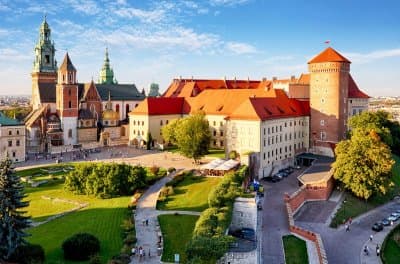
If you have more time, you can extend the route to Wawel and the Vistula boulevards or head later to Kazimierz — everything depends on the group’s pace and interests. For families with children, adding the Rynek Underground Museum is a good idea — it’s interactive and appealing to younger visitors.
Remember: the route is flexible. A guide will adjust the pace and the stories to the age and expectations of the group so everyone leaves the tour smiling and having learned a new curiosity.
If you plan to go inside the Cloth Hall or visit an exhibition, check opening hours in advance — many sites are closed on Mondays, and Tuesdays can be free-admission days for permanent displays, which increases visitor numbers.
For organised groups it’s worth booking entries in advance through museum reservation systems — this helps manage time and avoid queues. For larger groups (for example 7–20 people) consider using headset sets — they improve the experience, especially in busy places.
Public transport will get you close to the Main Market — trams and buses run frequently, but the walk from the Central Station is pleasant and immediately gives you a feel for the city. Buy your ticket in advance via an app or at machines and remember to validate it.
After an intensive walk it’s worth enjoying a well-reviewed meal. On the Market you’ll find places with different characters — the historic Wierzynek Restaurant offers an experience steeped in tradition, while Szara is a reliable choice for a tasty lunch in the centre.
If you prefer coffee and something sweet, look for well-established cafés around the Market and in Kazimierz. Choose places with good reviews and short waiting times — after a walk, comfort and quality often matter more than an elaborate menu.
For families and groups I recommend booking a table for later in the day to avoid queues after the tour — many Old Town venues are popular and fill up quickly on weekends.
The Cloth Hall is not only about trade and exhibitions — in the 19th century the upper floor became the first seat of the National Museum in Kraków, which makes it an important point on the map of 19th-century Polish art.
The attic of the building features fanciful mascaron sculptures, and the elegant arcades we see today are the result of later reconstructions designed to give the building a representative character.
Beneath the Market surface lie interdisciplinary medieval remains — that’s why the Rynek Underground Museum offers a completely different perspective on the city’s history and is worth considering, especially on a rainy day.
Mistake 1: trying to ‘tick off’ everything in one day. Instead, choose priorities and leave time for small stops — many anecdotes and details make the walk more interesting.
Mistake 2: not reserving places for popular exhibitions or group entries. Book ahead and check the rules of each museum so you don’t waste time on site.
Mistake 3: not preparing for weather and crowds. On weekends and during city events bring comfortable shoes, a light rain jacket or umbrella and a small backpack — these will make moving around easier and improve your comfort.
When is the best time to come to the Market to avoid crowds? The smallest crowds are usually in the morning, right after museums open, and in late afternoon outside the high season.
Is entry to the Cloth Hall paid? Many exhibitions and galleries require separate tickets — Tuesdays are sometimes free for permanent exhibitions, but check current rules before your visit.
How much time should I plan for visiting the Market and the Cloth Hall? A comfortable tour with a guide usually takes 2–3 hours; if you add Wawel or the Rynek Underground Museum, plan for a full day.
Kraków is best discovered on foot: the city tells its stories through bricks, tenement houses and cobblestone streets. The Cloth Hall is an ideal starting point for such a story — a central place from which it’s easy to head in any direction.
If you want your weekend in Kraków to be more than a list of sights and instead become a story tailored to your interests, take advantage of private guiding with Małgorzata Kasprowicz — details are available on the website. I also invite you to share this article with friends and on social media — let more people discover Kraków with pleasure and without rushing.