Sightseeing Krakow with a tour guide is an ideal way to learn the city’s most important monuments, history and local anecdotes told with passion and context in a short time. A guide doesn’t just point out places — they explain historical, cultural and urban connections, tell legends and highlight hidden details that are hard to notice on your own.
For first-time visitors to Krakow having a guide makes it easier to find your way around, helps plan the rest of your stay and saves time. For returning guests the guide can prepare a themed route — literary, culinary, historical or focused on a particular era — so familiar corners reveal new layers of meaning.
Using the services of a licensed guide also gives formal assurance — licensed guides often hold certificates and permissions for tours in museums and castle sites, and they have experience working with groups with different needs (families with children, school groups, international groups). On zwiedzaniekrakowa.com your guide is Małgorzata Kasprowicz (Margaret Kasprowicz), who tailors each tour to your interests and group profile.
Old Town - the classic route around the Main Market Square: the Cloth Hall (Sukiennice), St. Mary’s Basilica with the Veit Stoss altarpiece, the charm of the narrow streets and stories about the bugle call and Poland’s oldest university. Old Town tours usually last 2–4 hours.
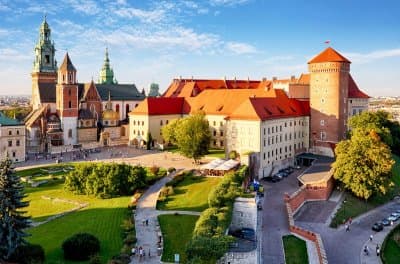
Wawel - the route focuses on the castle hill: the Cathedral, the arcaded courtyard, the royal chambers, the treasury and legends about the Wawel Dragon. Visiting time ranges from 1 to 4 hours depending on the scope of the visit and whether you enter interiors.
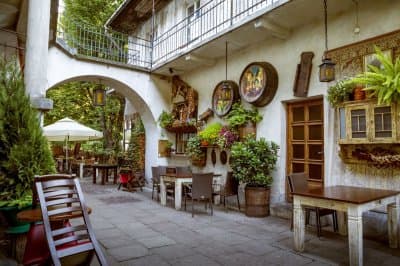
Kazimierz - the former Jewish quarter with synagogues, the Jewish cemetery, atmospheric courtyards and places linked to the city’s modern culture. Kazimierz tours often combine historical elements with culinary and cultural recommendations.
Rynek Underground - an exceptional option for archaeology enthusiasts: exhibitions beneath the Main Market Square, original routes and relics of the city’s former buildings. The visit typically lasts around 75 minutes and requires tickets for the underground museum.
Oskar Schindler’s Factory and the former ghetto areas - routes that address difficult 20th-century threads of the city’s history, usually conducted with sensitivity and careful historical context; the guide will discuss exhibitions and memorial sites.
Nowa Huta and socialist-realist routes - interesting for those curious about PRL architecture and urban planning; the route can include socialist-realist monuments and places related to everyday life of past decades.
Themed routes - your guide also offers specialist tours: culinary trails, literary routes, night tours with ghost stories, and field trips (e.g. KL Płaszów, historical trails).
Tour length depends on the chosen route: shorter walks covering the main points of the Old Town take 1.5–2 hours, fuller tours of Wawel or combinations of several districts can take 3–5 hours. Specialist themed routes or tours combined with lunch can last a full day.
Costs vary depending on format (private vs. group), number of participants and the scope of service. For small private groups, a two-hour tour may start from a few hundred zloty; prices increase for longer routes and higher organizational requirements. For large groups there are fixed rates for the whole group, which often work out cheaper per person.
Additional fees: entrance tickets to some sites (Wawel Royal Castle, Rynek Underground, Oskar Schindler’s Factory) and possible advance reservations. It’s worth asking the guide about the need to reserve and any ticket costs when planning the route.
In Poland there is a training and certification path for city guides and guides for selected sites; many guides list license and certificate information on their profiles. Choosing someone with appropriate credentials ensures the tour will be reliable and respectful of heritage care rules.
Important criteria when choosing a guide: language skills (Polish, English, German and others), experience leading groups of a similar profile (families, seniors, school groups), availability of themed routes and feedback from previous participants.
Guides often offer bilingual skills, simultaneous translation or tours conducted in several languages — it’s worth confirming this when booking if your group is linguistically mixed.
Book in advance, especially in the tourist season and if you plan visits to popular sites. It’s best to agree the route, start time and meeting point with the guide a day or a few days before the tour.
Check whether entrance ticket costs are included in the tour price and whether the guide can assist with purchasing or reserving them. Many museums and Wawel have limits on entries and group reservation deadlines.
Adjust the route to the group’s abilities - if there are older people, families with small children or people with limited mobility, choose a shorter route avoiding steep stairs and long walking sections. Some options include touring by electric cart (melex) or routes with transport, which make getting around the city easier.
Headset sets - for larger groups guides often offer or recommend headset systems that improve audibility in crowded places. If you plan this option, ask about the cost and how devices will be provided.
Comfortable shoes - Krakow is best explored on foot, over cobbled streets and uneven pavements. Wear footwear that keeps you comfortable during several hours of walking.
Clothing for the weather - bring a rain layer or a warmer sweatshirt on cooler days; many routes are outdoors. If you plan to enter sacred interiors, have a shawl or clothing to cover shoulders out of respect.
Documents and tickets - carry an ID and booking confirmation. If you buy tickets in advance, have them printed or available on your phone according to the venue’s requirements.
Routes covering wartime history, the ghetto or concentration camps require sensitivity and an appropriate narrative. A well-prepared guide will present difficult material accurately and respectfully toward victims and historical memory.
Respect places of worship and remembrance - churches, synagogues and cemeteries require quiet and appropriate dress. The guide will usually inform you about rules in specific places.
Sanitary and organizational safety - if your group has special needs (food allergies, health limitations), inform the guide in advance so they can adapt recommendations and the tour pace.
Do I need to book a guide far in advance? - In high season (spring–summer, holidays) and for large groups it’s best to book as early as possible to secure your preferred date and time.
Does the guide buy tickets for the group? - Usually the guide can help with group reservations and ticket purchases, but the ticket cost is separate from the guiding fee. Agree on arrangements when booking.
Are tours always on foot? - Most routes are walking tours, but there are offers that include transport (e.g. electric carts) or combinations with transfers, which are useful for those preferring more comfort or for groups with limited mobility.
Sightseeing Krakow with a tour guide is an investment in the quality of your stay: you gain coherent historical context, anecdotes and practical tips that enrich the city experience. Decide whether you want a classic route through the Old Town and Wawel, a visit to Kazimierz, or a themed tour — then agree the pace, language and organizational matters with your guide.
When planning, consider your group profile (age, mobility, interests), budget and the time you can devote to sightseeing. Book in advance, agree ticket arrangements and any headset needs, and inform the guide of any special requirements.
If you’re unsure, start with a short 1.5–2 hour route to get a feel for the guide’s style, then plan a longer themed tour. That way your sightseeing will be both enjoyable and enlightening — and Krakow will reveal its most fascinating faces.