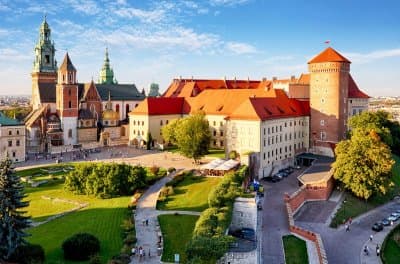
Yes - Wawel and its most important sites are often part of pilgrimage programs and religious tours to Kraków. In practice, pilgrims visiting or passing through Kraków usually go first to Wawel Cathedral - the place for Masses, tombs and crypts - and also visit the hill’s courtyard and parts of the displays connected with Church history and Polish religious tradition. Many pilgrimage routes devoted to the footsteps of John Paul II or other religious themes include Wawel Hill as a key stop.
Wawel offers a balanced combination of worship spaces and historical exhibits, so it is well suited to groups that want both spiritual time and cultural context during a visit.
If you arrive as an organized group, plan the visit in advance. Organizers of pilgrimages commonly register their participants with their own pilgrimage office and manage entry fees within the group framework - this is standard practice for larger pilgrimages. For big religious events (for example processions starting from Wawel) there are specific registration rules, and registered participants are usually covered by group insurance.
For guided groups it is a good idea to reserve a time to visit the Cathedral and any accompanying equipment (audio guides or a radio system for groups) - this allows efficient and comfortable guiding of larger numbers of people. If you plan to participate in liturgy (Mass), coordinate times with the parish or cathedral administration.
Wawel Cathedral is the religious heart on Wawel and most pilgrims begin their prayer meetings or sacred visits here. A guided visit to the cathedral with the possibility to see the Sigismund Bell (Dzwon Zygmunta) area typically lasts about 40 minutes; shorter elements of the program, such as visiting the royal tombs, usually take about 10 minutes, and the Cathedral Museum about 20 minutes. These approximate times help fit the visit into the day plan and align the pilgrimage schedule with Mass times and walking transfers through the city.
Groups can use audio guides and a radio-guiding system. The radio system works especially well with larger groups (over several dozen people) and makes it possible for the guide to speak without gathering everyone too close together. Renting such equipment is usually paid separately and should be included in the tour budget. Devices are loaned for set hours, and organizers are informed about return procedures and possible deposits.
Wawel Hill comprises several institutions: the parish cathedral and the castle or museum sections run by other organizations. For a pilgrim, the Cathedral is the most important - a place of prayer, tombs and devotion. Visiting the castle rooms and museum exhibitions is more historical and cultural in nature and may require separate tickets and reservations. When planning a pilgrimage program, separate the sacred part (Mass, adoration, prayer at tombs) from the tourist-historical part (state rooms, exhibitions) to avoid conflicts with liturgy and to preserve the appropriate atmosphere.
A pilgrimage is first of all a spiritual experience, so when visiting Wawel remember basic rules of respect: modest, neat clothing suitable for a church, silence in liturgical spaces, phones switched off or set to silent, and no eating or loud conversations in the nave. If your group plans to approach places of devotion (for example tombs or chapels), ask the guide for instructions about respectful behavior and moments of silence for prayer.
If you intend to attend Mass, avoid scheduling large, noisy sightseeing rounds or extensive photo sessions in the liturgical area at the same time - it is better to plan sightseeing outside service hours or to ask whether the group may enter after Mass.
For large pilgrimage groups it is important to decide on a meeting point, movement plan and luggage handling. At big pilgrimages a baggage tagging and collection system often operates for particular communities or groups - this simplifies onward travel. When scheduling visits, allow time to move between places: the Cathedral, the Wawel Courtyard and any museum entrances realistically require anywhere from several dozen minutes to a few hours on site, depending on the program.
Plan short breaks for restroom use and rest, especially if the group arrives after a long journey. For people with limited mobility, check which routes are accessible and where it is possible to leave wheelchairs or deposits.
- Morning: arrival and assembly at the designated meeting point on Wawel Hill - a short welcome prayer.
- One-hour liturgy in the Cathedral (Mass or service) - after the liturgy time for private prayer and brief visits to devotional points (chapels, tombs).
- Break for a meal and rest away from the cathedral space.
- Afternoon: guided tour of the Courtyard and - optionally - selected museum displays or a historical route. For larger groups using a radio-guiding system helps keep the pace smooth and comfortable.
- Closing: communal prayer or blessing before departure.
A guide familiar with handling pilgrimage groups will help reconcile the spiritual and tourist dimensions of the visit: they will tailor visit lengths to liturgical plans, point out places where the group can pray without disturbing others, and coordinate technical matters - renting equipment, choosing meeting points, and liaising with cathedral and parish staff.
The pilgrimage organizer should also prepare participants before arrival - brief guidance on appropriate clothing, program length and items which are not allowed in sacred spaces. Clear information reduces the risk of misunderstandings on site.
- Confirmation of participant registration and purchased insurance (if required by the pilgrimage organizer).
- Reserved time for the Cathedral visit and confirmation of any rented radio systems or audio guides.
- Day plan with Mass times and breaks; a plan B in case of weather changes or liturgical schedule shifts.
- Information on dress code and behavior rules for all participants.
- Contact phone number for the guide and the person responsible for the group.
- Cash for small fees (equipment rental, deposits, possible offerings).
Including Wawel in a pilgrimage program is a meaningful experience that combines history, art and spirituality. The most important things are to plan the visit in advance, cooperate with a knowledgeable guide and the cathedral administration, and show respect for the place of worship. Good logistical preparation and clear rules for participants will help everyone live the visit calmly and deeply - both spiritually and organizationally.
Official name - The cathedral is often referred to in English as the Archcathedral Basilica of Saint Stanislaus and Saint Wenceslaus (Wawel Cathedral). The famous Sigismund Bell (Dzwon Zygmunta) is one of the cathedral’s most recognizable elements and is rung on major occasions.
Tickets and opening hours - Museum parts of Wawel Hill and some chapels may require separate tickets and have fixed opening hours. Check reservations in advance for both the Cathedral Museum and the Royal Castle sections if you plan to include them.
Accessibility - Some routes around Wawel Hill are steep or use steps. If your group includes people with reduced mobility, notify the cathedral staff or your guide in advance to plan accessible routes and assistance.
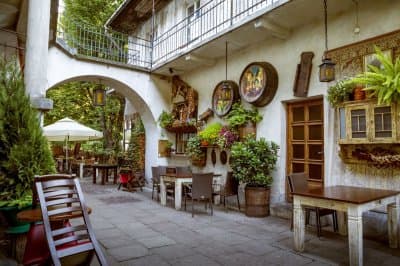
Nearby food and rest - There are several cafes and restaurants close to the Old Town where groups can have meals or refreshments between parts of the program. Popular nearby places include traditional and international options in the Old Town; plan a nearby meeting point for meals to keep the schedule tight.
Contact - For visitors coming with ZwiedzanieKrakowa.com and the guide Małgorzata Kasprowicz (Margaret Kasprowicz), please use the contact details on the site to arrange times, equipment rental and any special needs for your group.