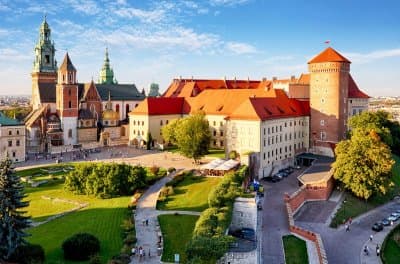
Kraków has so many historic sites and atmospheric corners that spreading your time over five days lets you feel the city without rushing. Wawel and Florian Gate are two must-see points on the Royal Route that pair nicely with short horse‑drawn carriage rides — not as a way to cross the whole city, but as a pleasant accent: a romantic pause between walks and museum visits. This kind of plan also leaves time for relaxed lunches, coffee in a favorite café, and evening strolls along the Vistula.
The carriage tradition in Kraków has its own charm and history, but remember this is primarily a seasonal, regulated attraction: there are days when horses do not work due to heat or city events. That’s why it’s smart to mix carriage rides with walking tours and keep them flexible (for example, schedule them on your first or last afternoon).
If you’d like to explore with someone who knows the city well and can adapt pace and route to your expectations, see the end of the article for information about private guide Małgorzata Kasprowicz and how to contact her.
Day 1: Arrival, walk around the Old Town. Start at the Main Market Square, the Cloth Hall and St. Mary’s Basilica. In the afternoon take a short carriage ride around the Square and toward Florian Gate — it’s a good way to get first orienting views of the city and rest after travel.
Day 2: Wawel from the morning. Visit the Cathedral (remember to dress respectfully), the Royal Tombs and the castle courtyards. After lunch stroll along Kanoniczna and Grodzka Streets toward the Market Square. In the evening relax by the Vistula on the river boulevards.
Day 3: The Royal Route and Florian Gate. In the morning take a close look at Florian Gate and the Barbican, and hear the story of the 'neck' that once connected them. Spend the afternoon in city museums or take a short trip to the Wieliczka Salt Mine if you want a bigger outing outside the city.
Day 4: Kazimierz and nearby areas. Walk or take public transport to the historic Jewish quarter, visit synagogues and cozy cafés. Return to the Market Square in the evening — optionally take another short carriage ride toward the Planty. This is also a great day to try local cuisine at recommended restaurants.
Day 5: Small discoveries and a relaxed end to your stay. Morning walk in the Planty, photos at Florian Gate from a different angle, quick shopping at the Cloth Hall and a last coffee at one of the top cafés. If you have a late departure, you can book a short carriage ride to say goodbye to the city.
Horse carriages are parked by the Main Market Square and at several spots near the Planty and the Barbican; they’re a convenient option for short, nostalgic rides, often with the driver’s commentary. Prices depend on length of route and negotiation — short rides usually cost a few dozen złoty.
Animal welfare is overseen by city rules: on very hot days carriage stands in the Square may be temporarily closed and rides can be forbidden during the hottest hours. Drivers also use alternative shaded stands (for example near the Barbican or in the Planty alleys); keep this in mind when planning a ride.
Safety: before boarding check the condition of the carriage and harnesses; if anything worries you, ask for a different team. At the stand ask the driver about the planned route and expected duration. If you travel with a small child or an elderly person, choose a shorter route and avoid sitting on the edge of the carriage.
Wawel is more than a castle — it’s a whole complex of monuments with Wawel Cathedral as its spiritual center. The Cathedral has set visiting hours and some parts (the Cathedral Museum) may be closed on Sundays or during services — check opening times in advance and buy tickets ahead if you plan to see museum interiors.
The Sigismund Bell rings mainly on special religious and state occasions — hearing it is a memorable experience for visitors, but it’s not an everyday event. Look for parish announcements or information about upcoming ceremonies if you wish to hear the bell.
There is a dress code for the Cathedral: cover your shoulders and avoid deep necklines; in some areas photography is forbidden. Wawel’s courtyards and terraces are good spots for classic photos with the Castle in the background — come early morning or late afternoon to avoid crowds.
Florian Gate is one of Kraków’s most recognizable Gothic symbols. It originated around the 14th century; in the 15th century a brick upper story was added, and during 19th-century conservation works decorative elements such as a small altar to the Piaskowa Madonna were introduced. The Gate was connected by a so‑called 'neck' to the Barbican — visualize that link when you walk between the two sites.
The best photos are taken from Floriańska Street, framed to show the perspective of the Royal Route toward Wawel. Morning light is soft and evening illumination makes the Gate very picturesque. Few tourists know that a narrow‑gauge tram once passed through the Gate until the 1950s — a fun detail to remember while photographing.
The Gate is also a great place to take a short rest and watch local life: it marked the start of the Royal Route, once trod by monarchs and envoys, and today walked by many visitors and residents.
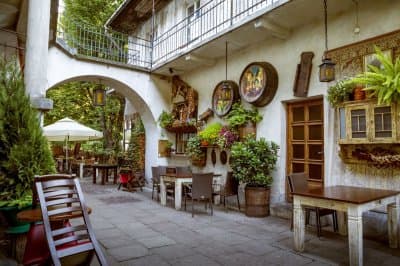
If you’re looking for reliable spots, choose places with good reviews and traditional cuisine: restaurants around the Market Square and near Wawel offer Polish classics as well as modern interpretations. Recommended options include atmospheric cafés close to the Square, a classic Polish restaurant by Wawel, and several trendy cafés in Kazimierz for an afternoon coffee. Tailor choices to your tastes; evening reservations are often advisable.
For a quick lunch or dessert try bakeries and bistros on the corner of the Market Square or near Floriańska Street — perfect for a break between visiting Wawel and walking the Royal Route.
For accommodation choose a hotel or guesthouse inside the Old Town or in Kazimierz — both locations make it easy to walk to Wawel and Florian Gate and provide quick access to public transport.
Trying to see 'everything' in one day — instead focus on parts of the Royal Route and leave time for Wawel and relaxation. A five‑day plan helps remove that rush.
Not being flexible about carriage rides — stands may be restricted by the city in heat or during events. Rather than assuming a ride will happen at a set time, plan it as an optional treat and check city notices if unsure.
Not checking museum and cathedral rules — check opening hours, photography rules and dress code (especially for the Cathedral) ahead of time to avoid unpleasant surprises at the entrance.
Do you need to reserve Wawel tickets? In high season it’s worth buying tickets in advance for paid routes (museums, exhibitions). Access to the hill is usually possible in the morning without a ticket, but specific exhibitions have limits.
When is the best time to visit Wawel? The fewest people are usually there early, right after ticketed spaces open, or late afternoon before closing. For photos choose early morning or late‑afternoon light.
How long does a carriage ride last? Short rides typically last 10–20 minutes; longer routes around the Planty or along the Royal Route can take 30–60 minutes. Agree on route and price before you start.
Would you like to tour with a local guide? A private guide can show you places and tell stories that aren’t widely known. If interested — guide Małgorzata Kasprowicz offers tailor‑made routes; find her contact details on the zwiedzaniekrakowa.com website.
Wawel hides many small, lesser‑known details: from hidden chapels to architectural elements changed across eras. Look for the rococo relief of Saint Florian on Florian Gate and remember this part of the city once helped defend Kraków from the north.
Carriages are not just a tourist gimmick — they’re part of the city’s historic landscape. Talk with the driver; they often know local stories and point out less obvious curiosities.
Many places around Wawel and the Royal Route have local legends — ask your guide or a local for one or two tales; it’s an easy way to make your visit memorable.
If you liked this plan, share it with friends or on social media — it will help others prepare for a trip to Kraków. Anyone who wants more personalized tips can use the services of private guide Małgorzata Kasprowicz — contact details are available on the zwiedzaniekrakowa.com website. Good luck planning and enjoy your visit — Kraków awaits with history, flavors and a few romantic carriage rides!